Why is it important to detect mold early?
Early detection of mold can prevent structural damage and health issues. Mold thrives in damp environments, which are common in many homes, especially in basements and bathrooms. By catching mold early, you can address the source of moisture and eliminate the mold before it spreads extensively. This proactive approach not only protects your home but also saves you money in the long run.
Mold can cause significant damage to the structural integrity of a building. It feeds on organic materials, such as wood and drywall, gradually weakening them. The longer mold is allowed to grow unabated, the more damage it can cause, potentially leading to costly repairs or even structural failure. In addition to structural concerns, mold can have serious health implications. Mold spores can trigger allergic reactions and respiratory issues, particularly in sensitive individuals like children, the elderly, or those with pre-existing respiratory conditions.
To stay ahead of mold, homeowners should conduct regular inspections of their property, focusing on high-risk areas. Monitoring humidity levels is crucial as mold thrives in environments with humidity levels above 60%. Investing in a good quality dehumidifier can help maintain optimal humidity levels, particularly in basements and bathrooms, which are more prone to dampness. Regular checks and monitoring humidity levels can be your first defense.
Mold can cause significant damage to the structural integrity of a building. It feeds on organic materials, such as wood and drywall, gradually weakening them. The longer mold is allowed to grow unabated, the more damage it can cause, potentially leading to costly repairs or even structural failure. In addition to structural concerns, mold can have serious health implications. Mold spores can trigger allergic reactions and respiratory issues, particularly in sensitive individuals like children, the elderly, or those with pre-existing respiratory conditions.
To stay ahead of mold, homeowners should conduct regular inspections of their property, focusing on high-risk areas. Monitoring humidity levels is crucial as mold thrives in environments with humidity levels above 60%. Investing in a good quality dehumidifier can help maintain optimal humidity levels, particularly in basements and bathrooms, which are more prone to dampness. Regular checks and monitoring humidity levels can be your first defense.
What are the visible signs of mold?
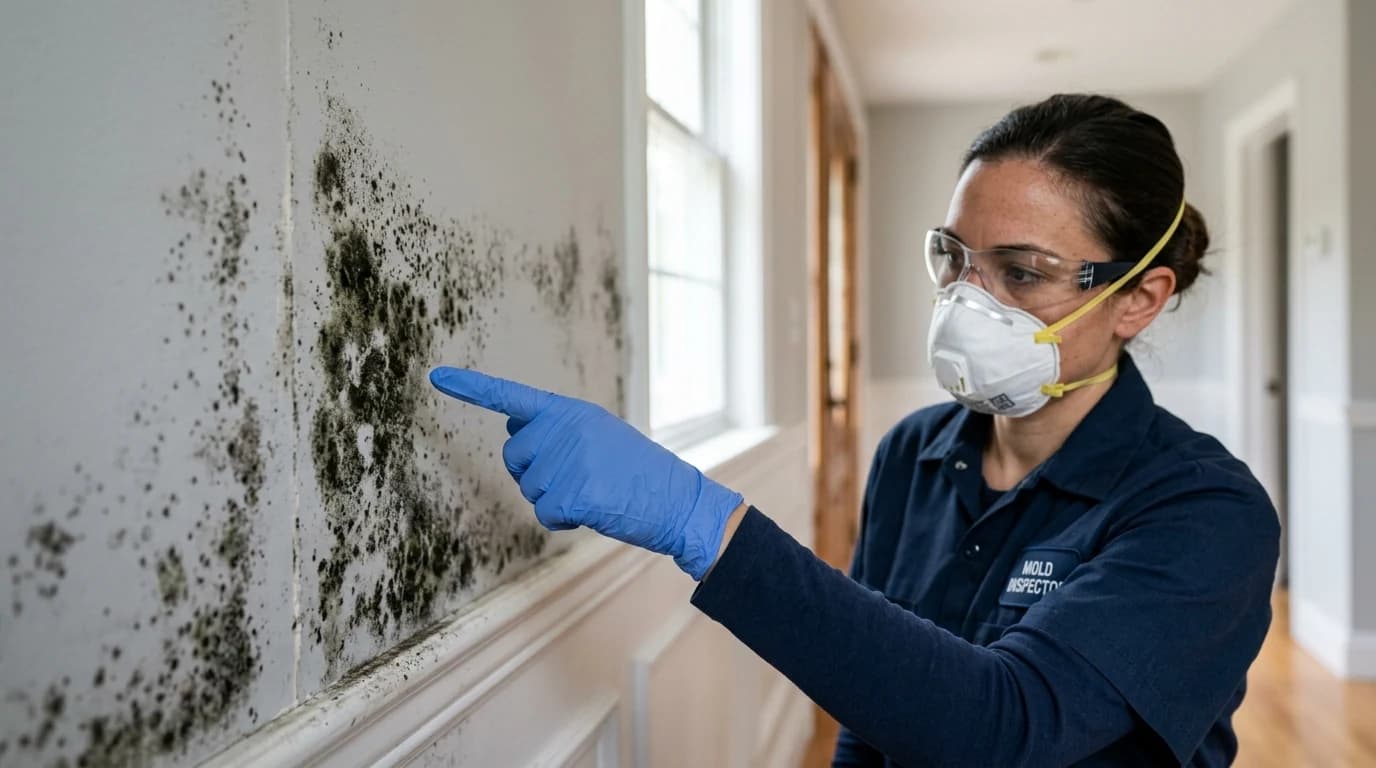
Visible signs of mold include discoloration on walls, ceilings, or floors, often appearing as black, green, or even white spots. Pay special attention to areas around plumbing fixtures or places that have endured recent water damage. Mold can also appear in the form of bubbling paint or wallpaper.
In addition to these signs, mold growth can sometimes be detected by changes in texture on surfaces. For example, walls or ceilings may feel damp or soft to the touch, indicating underlying mold growth. Areas that are frequently wet, such as bathrooms and kitchens, should be inspected regularly for these signs.
If you notice a musty odor but can’t see any mold, it might be hidden behind walls or under flooring. Musty smells are often one of the first indicators of mold, even before it becomes visible. This is because mold releases microbial volatile organic compounds (MVOCs) as it grows, which can produce unpleasant odors. If you encounter this, consider reaching out to a professional for a thorough inspection. They can use specialized equipment like thermal imaging cameras to detect moisture and potential mold growth behind walls. Contact us for more information.
In addition to these signs, mold growth can sometimes be detected by changes in texture on surfaces. For example, walls or ceilings may feel damp or soft to the touch, indicating underlying mold growth. Areas that are frequently wet, such as bathrooms and kitchens, should be inspected regularly for these signs.
If you notice a musty odor but can’t see any mold, it might be hidden behind walls or under flooring. Musty smells are often one of the first indicators of mold, even before it becomes visible. This is because mold releases microbial volatile organic compounds (MVOCs) as it grows, which can produce unpleasant odors. If you encounter this, consider reaching out to a professional for a thorough inspection. They can use specialized equipment like thermal imaging cameras to detect moisture and potential mold growth behind walls. Contact us for more information.
How to test for mold yourself?
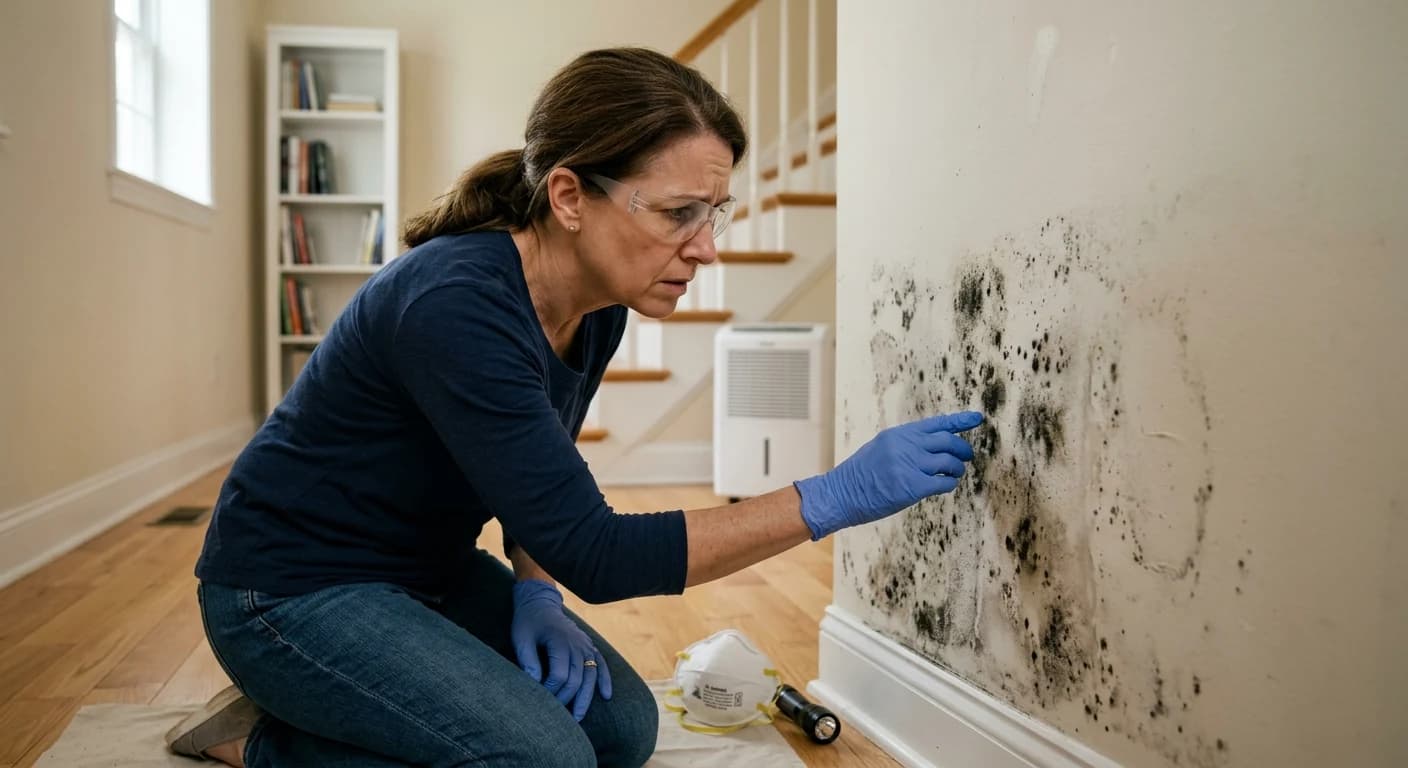
While there are home testing kits available, they often lack the accuracy of professional tests. However, you can start by using a moisture meter to check for dampness in suspect areas. A moisture meter can help identify areas with high moisture content, which are more susceptible to mold growth.
Another method is to place a drop of bleach on the discolored area; if it lightens after a few minutes, it’s likely mold. This simple test can be effective in confirming the presence of mold on surfaces. However, be cautious when using bleach, as it can damage surfaces and has its own health risks if not handled properly.
Keep in mind that these methods are not foolproof. Mold can sometimes be hidden in areas that are not readily accessible, such as behind walls or under floorboards, making it difficult to detect without professional help. For comprehensive testing, professional services provide more reliable results. Mold remediation experts use advanced tools like air quality testers and infrared cameras to detect and measure mold presence. These tools can identify mold spores in the air and pinpoint moisture sources, providing a thorough assessment of the mold situation. If you're concerned about mold in your home, consider reaching out to a professional service to ensure accurate detection and effective mold removal.
Another method is to place a drop of bleach on the discolored area; if it lightens after a few minutes, it’s likely mold. This simple test can be effective in confirming the presence of mold on surfaces. However, be cautious when using bleach, as it can damage surfaces and has its own health risks if not handled properly.
Keep in mind that these methods are not foolproof. Mold can sometimes be hidden in areas that are not readily accessible, such as behind walls or under floorboards, making it difficult to detect without professional help. For comprehensive testing, professional services provide more reliable results. Mold remediation experts use advanced tools like air quality testers and infrared cameras to detect and measure mold presence. These tools can identify mold spores in the air and pinpoint moisture sources, providing a thorough assessment of the mold situation. If you're concerned about mold in your home, consider reaching out to a professional service to ensure accurate detection and effective mold removal.
Preventive Measures to Keep Mold at Bay
Preventing mold growth is largely about controlling moisture levels in your home. Start by ensuring that your home is well-ventilated. Use exhaust fans in bathrooms and kitchens to reduce humidity levels and promote air circulation. Regularly check and clean your ventilation systems to ensure they are functioning properly.
Another key preventive measure is to fix leaks promptly. Whether it's a dripping faucet or a leaky roof, addressing these issues quickly can prevent moisture accumulation that leads to mold growth. Inspect areas around windows, roofs, and plumbing fixtures regularly for signs of leaks or water damage.
Additionally, consider using mold-resistant products during renovations or repairs. Mold-resistant drywall and paints can significantly reduce the likelihood of mold growth in high-moisture areas. For basements, invest in a quality dehumidifier to maintain humidity levels below 60%.
Landscaping can also play a role in mold prevention. Ensure that the ground around your home slopes away from the foundation to prevent water pooling. Regularly clean gutters and downspouts to ensure they are directing water away from your home. By implementing these preventive measures, you create an environment that is less conducive to mold growth, protecting both your home and health.
Another key preventive measure is to fix leaks promptly. Whether it's a dripping faucet or a leaky roof, addressing these issues quickly can prevent moisture accumulation that leads to mold growth. Inspect areas around windows, roofs, and plumbing fixtures regularly for signs of leaks or water damage.
Additionally, consider using mold-resistant products during renovations or repairs. Mold-resistant drywall and paints can significantly reduce the likelihood of mold growth in high-moisture areas. For basements, invest in a quality dehumidifier to maintain humidity levels below 60%.
Landscaping can also play a role in mold prevention. Ensure that the ground around your home slopes away from the foundation to prevent water pooling. Regularly clean gutters and downspouts to ensure they are directing water away from your home. By implementing these preventive measures, you create an environment that is less conducive to mold growth, protecting both your home and health.
When to Call in the Professionals
While DIY methods can be effective for minor mold issues, there are situations where professional intervention is necessary. If mold covers an area larger than 10 square feet, it's advisable to consult a professional mold remediation service. Large infestations often require specialized equipment and expertise to remove mold safely and effectively.
In cases where mold is suspected in hidden areas, such as behind walls or under flooring, professional services can provide thorough inspections using infrared cameras and moisture meters. These tools help identify hidden moisture sources and mold growth that are not visible to the naked eye.
Health concerns are another reason to call in professionals. If household members experience persistent allergic reactions, respiratory issues, or other health problems that could be linked to mold exposure, a professional assessment can help identify and address the problem.
In Upper Saddle River, NJ, and surrounding areas, there are several reputable mold remediation companies that offer comprehensive services. They can not only remove mold but also address the underlying causes to prevent future growth. Remember, timely professional intervention can save you from costly repairs and health issues down the line. When in doubt, it's better to err on the side of caution and seek expert help.
In cases where mold is suspected in hidden areas, such as behind walls or under flooring, professional services can provide thorough inspections using infrared cameras and moisture meters. These tools help identify hidden moisture sources and mold growth that are not visible to the naked eye.
Health concerns are another reason to call in professionals. If household members experience persistent allergic reactions, respiratory issues, or other health problems that could be linked to mold exposure, a professional assessment can help identify and address the problem.
In Upper Saddle River, NJ, and surrounding areas, there are several reputable mold remediation companies that offer comprehensive services. They can not only remove mold but also address the underlying causes to prevent future growth. Remember, timely professional intervention can save you from costly repairs and health issues down the line. When in doubt, it's better to err on the side of caution and seek expert help.
Understanding Mold's Impact on Health
Mold exposure can have a range of health effects, which makes early detection and remediation crucial. Mold spores, when inhaled, can cause allergic reactions in sensitive individuals. Symptoms often include sneezing, runny nose, red eyes, and skin rash. For people with asthma, mold exposure can trigger asthma attacks and worsen their symptoms. Even those without pre-existing conditions can experience irritation in the eyes, skin, nose, throat, and lungs.
Long-term exposure to mold can lead to more severe health issues, particularly in vulnerable populations such as children, the elderly, and those with compromised immune systems. In some cases, mold exposure has been linked to more serious respiratory conditions and can exacerbate chronic health problems.
To mitigate these risks, it’s important to maintain good indoor air quality. Regular cleaning and maintenance of HVAC systems can help reduce mold spores in the air. Consider using air purifiers with HEPA filters to capture airborne mold spores and other allergens. If you suspect mold is affecting your health, consult a healthcare professional for advice and consider having your home inspected by a mold remediation expert. Addressing mold issues promptly can protect your health and improve your quality of life.
Long-term exposure to mold can lead to more severe health issues, particularly in vulnerable populations such as children, the elderly, and those with compromised immune systems. In some cases, mold exposure has been linked to more serious respiratory conditions and can exacerbate chronic health problems.
To mitigate these risks, it’s important to maintain good indoor air quality. Regular cleaning and maintenance of HVAC systems can help reduce mold spores in the air. Consider using air purifiers with HEPA filters to capture airborne mold spores and other allergens. If you suspect mold is affecting your health, consult a healthcare professional for advice and consider having your home inspected by a mold remediation expert. Addressing mold issues promptly can protect your health and improve your quality of life.
Seasonal Considerations for Mold Prevention
Different seasons pose unique challenges for mold prevention, making it important to adapt your strategies throughout the year. During the wet and humid months, such as spring and summer, mold growth is more likely due to increased moisture levels. To combat this, ensure your home is well-ventilated and use dehumidifiers to maintain ideal humidity levels. Pay special attention to areas that are prone to dampness, like basements and crawl spaces.
In the winter, mold can be less of an issue, but it’s still important to remain vigilant. Condensation from heating systems can lead to moisture buildup on windows and walls, providing a breeding ground for mold. Regularly check these areas and wipe them down to prevent mold growth. Additionally, ensure that your home is adequately insulated to minimize condensation.
During fall, when leaves accumulate, make sure to clean gutters and downspouts. Clogged gutters can lead to water overflow, which can seep into your home’s foundation and create damp conditions conducive to mold growth. By taking seasonal precautions, you can minimize the risk of mold and maintain a healthier indoor environment throughout the year.
In the winter, mold can be less of an issue, but it’s still important to remain vigilant. Condensation from heating systems can lead to moisture buildup on windows and walls, providing a breeding ground for mold. Regularly check these areas and wipe them down to prevent mold growth. Additionally, ensure that your home is adequately insulated to minimize condensation.
During fall, when leaves accumulate, make sure to clean gutters and downspouts. Clogged gutters can lead to water overflow, which can seep into your home’s foundation and create damp conditions conducive to mold growth. By taking seasonal precautions, you can minimize the risk of mold and maintain a healthier indoor environment throughout the year.